

So Many Sides, So Many Wines. Where to Begin?
Thanksgiving is fast approaching, and if you’re anything like me, the planning has been going on for weeks already. This most festive of tables literally sags under the weight of all those sides, many of which are part of family canon, thus requiring them to be present year after year as others are added to the mix, and that giant bird.
I know that from talking with many fellow cooks, wine is mostly an afterthought. Sure, wine will be present in large quantities, but most simply let the guests bring a bottle or two of their own choosing. That’s fine, of course, and even though I always say that there really are few great or terrible matches, we can and should do better by focusing just a little bit more on the pairing strategy. Doing so will enhance the dining experience from start to finish.
This post will provide a few suggestions on how to navigate the complex mix of savory and sweet that are inherent on this particular table. As is always the case with wine/food pairing “rules,” they are not meant to be precise. Rather, they are guides that will help you navigate what at first glance seems hopelessly convoluted and complicated from a matching perspective.
There Is No Table Like The Thanksgiving Table
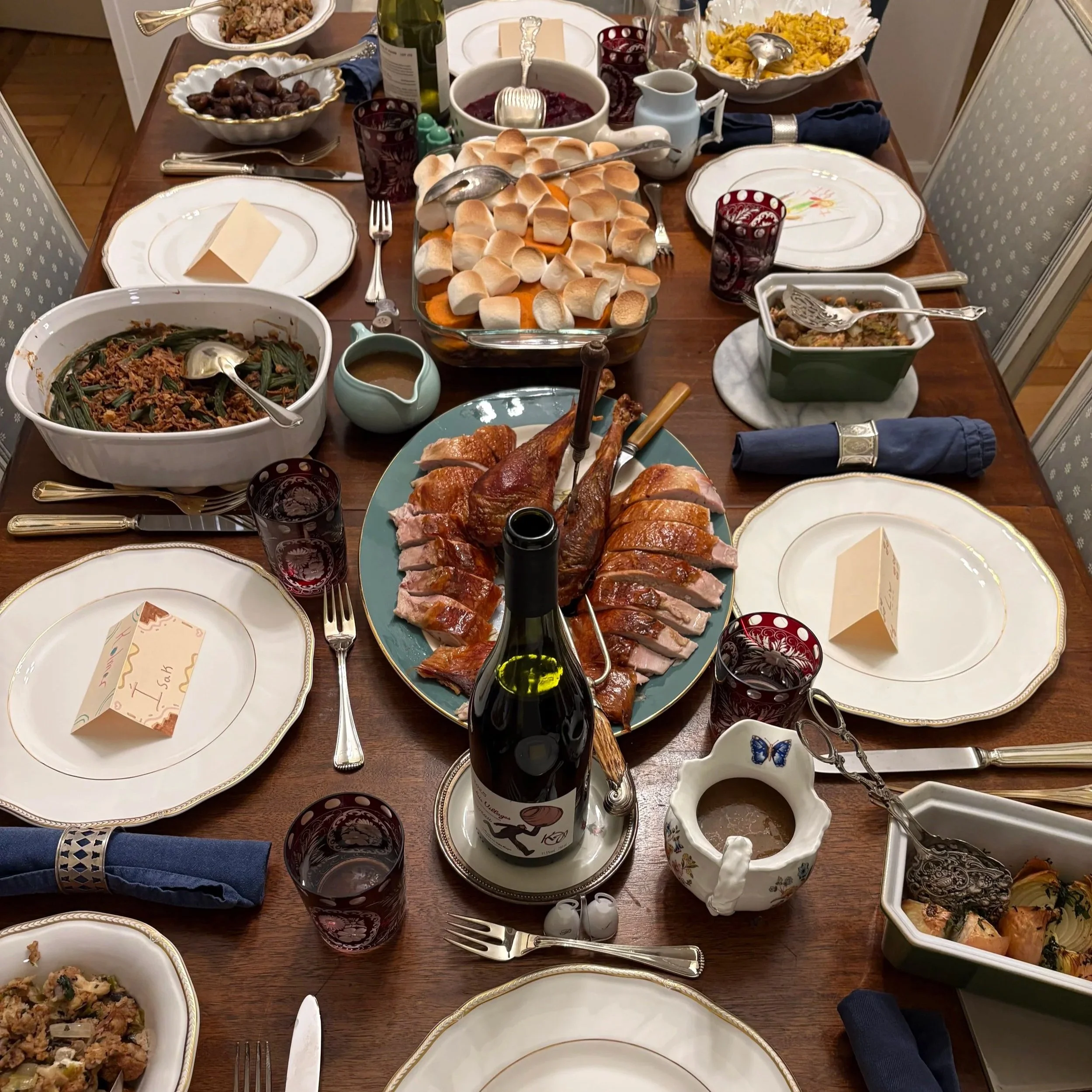
There is a reason this is so. The Thanksgiving table is really nothing like our other holiday tables. Whether Passover or Easter, Christmas or the Feast of the Seven Fishes, Burns Night or the Super Bowl (for those who consider this a national holiday!) or really any other one I can picture. None of them juxtapose so many elements, many of which probably would never end up next to each other at a non-holiday dinner party, as does the Thanksgiving table.
How would you like to be the sommelier who approaches a big table and is then tasked with figuring out what to pair with the following dishes: tart and tangy cranberry sauce, a roasted bird (OK, that’s easy) maybe stuffed with a combination of bivalves, forcemeat and aromatics, sweet potatoes topped with charred marshmallows, all manner of creamed and uncreamed veg sides, silky, buttery mashes, roasted root vegetables, perhaps glazed in balsamic, and on and on. This table truly is a kaleidoscope of flavors, sweetness levels and textures. That’s a lot to ask of a wine or two.
Keep The Wine In The Background
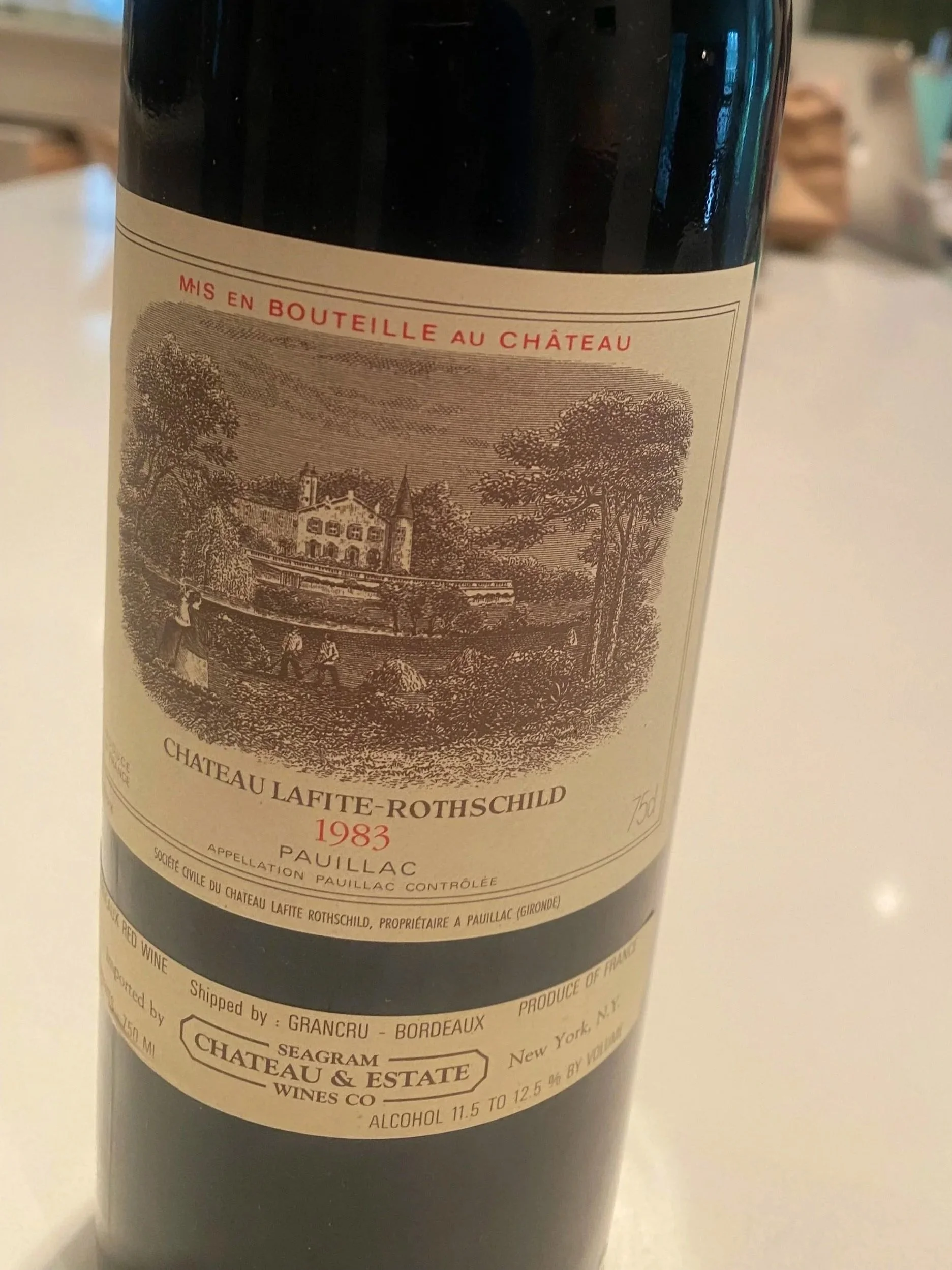
There is simply too much going on at the table for the wine to shine. Thanksgiving is not the time to flex with that First Growth Bordeaux, Grand Cru Burgundy or bottle of Grange you’ve been saving for a decade or two. I mean, of course, you can if you really want to. After all, you’re giving thanks, and great and expensive bottles certainly make that point. That said, these trophies won’t end up shining because this table is really just chaos and these wines deserve to be the focal point of attention.
Mix It Up At The Same Time
I wouldn’t usually suggest having a sparkler, white and red on the table at the same time from start to finish, but this table requires it. Most of us don’t attack Thanksgiving food service in waves. Instead, we let go a tsunami of dishes at once. It’s all there for us to load up or sample at our own pace. The wines should be handled the same way as each style addresses certain aspects of the cornucopia of food options.
Bubbles
Sparkling wines, rosés included, are a great way to not only complement fruit-forward elements of dishes, but also keep your palate refreshed, engaged and energized before that tryptophane kicks in. My default would always be Champagne but in keeping with the prince range I suggested above, go with one from the Loire or California. Even Prosecco would be fine because for this purpose, it’s less about the bubbly’s personality than it is its utilitarian ability to cleanse.
Whites
The big bird aside, this table isn’t really one for Chardonnay, whether oaked or not, especially in the price range we’re looking at. Though chardonnay is certainly the most commercially important white grape in the wine world, unless you soar beyond our price range, you’re not likely to find a resulting wine that has a lot of aromatic components. It will be citric, maybe show some buttery oak, and have a fleshiness, but not much else. Sauvignon Blancs are also not the best choice on this day.
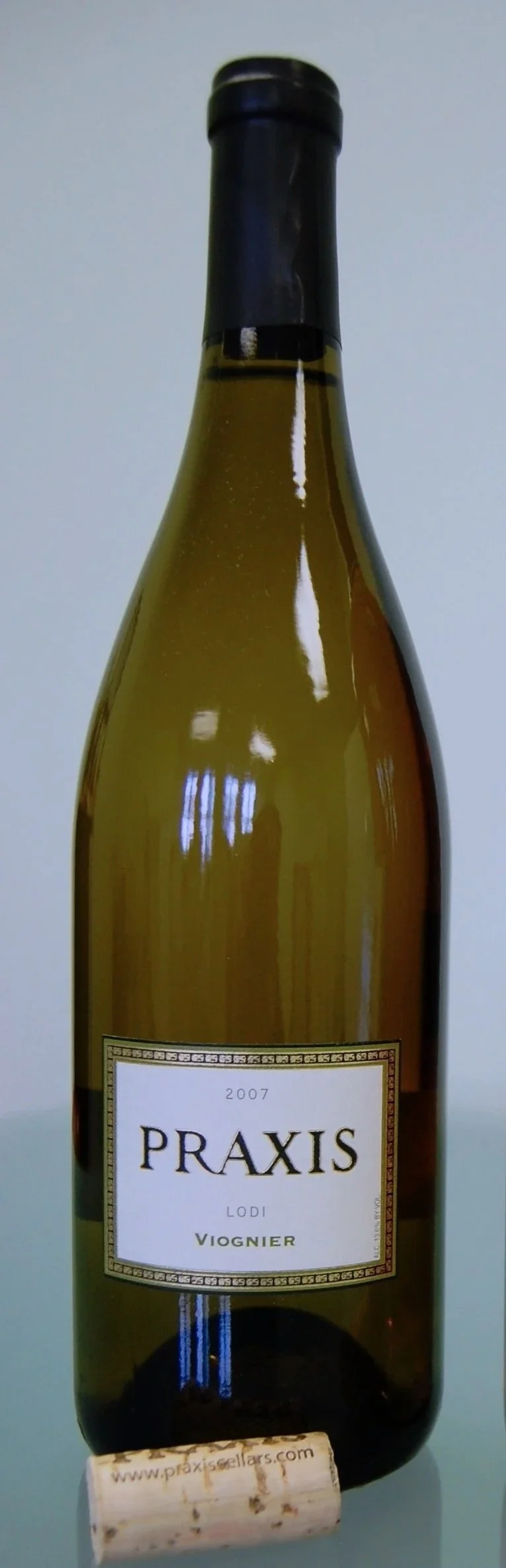
Here are two that have crazy aromatic profiles, ranging from tropical and floral to stone fruity. Viognier and Gewürztraminer, regardless of their provenance, possess insanely varied and pronounced aromatics. This makes them work with the melange of fruit-forward things on the table. This is a great way to go about matching wine and food. If you smell something in a dish and something similar in your glass, that’s a match. Gewürz has the added benefit of liking spicy stuff so feel free to toss some chilies into that dressing or stuffing.
Reds That Get Along
Given the mush of flavors and aromas on this table, reds actually aren’t the best match. Yes, there is the bird. And birds like lighter-bodied reds–think Pinot Noir, Beaujolais, Barbera, among others–but given all the other stuff on that table, red wine tannins and alcohol aren’t necessarily the best fit. That doesn’t mean you can’t bring out that Châteauneuf-du-Pape or Zinfandel, but should you?
Instead, dial down the intensity. Complement, don’t overwhelm. I’ve written about my love of Lambrusco, that almost-frothy, chilled red from Central Italy. It is a great food wine, and in the case of this table, has both the fruit notes and acidity to deal with that mess.
Staying in the boot for a little longer, Barbera and Dolcetto would also be great tablemates. They have enough acidity and enough layers of flavor–red centric–to play off all of that. They are decidedly not about oak, which means they won’t mask any of the crazy United Nations of flavors and aromas on your plate.
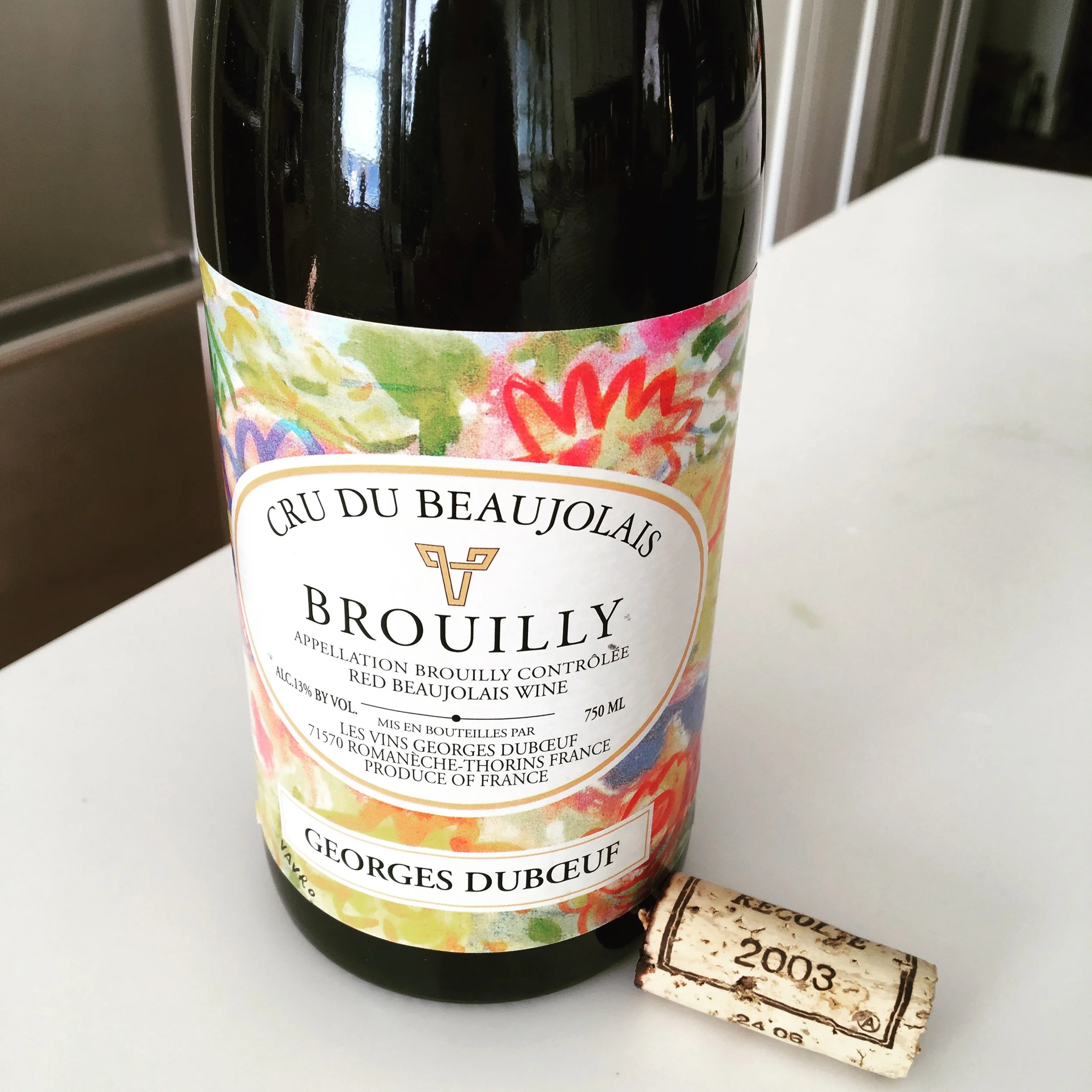
Closer to home, a ripe Merlot (I know, no one drinks Merlot, which is a lie!) from Washington would enrobe that forkfull of a bit of everything from the table in just enough fruit, tannin and acidity. Or maybe a Cabernet Franc from the North Fork of Long Island or the Finger Lakes. If you can find them, versions from Virginia are just great (Viognier, too!). Less of a fruit-forward profile but Can Franc would riff off the earthy aspects of the sides. And Beaujolais works, too. This very underrated wine is sort of a bridge between the fruit of Merlot and the substance of Cab Franc. And for about $30 a bottle, you can get an elevated version of one. Ask for a Cru.
I’d love to hear your wine-pairing strategies! And if you took my advice, how did that work out? Let me know how it all turned out, and wishing you a wonderful Thanksgiving!
The holiday season is quickly approaching! Still figuring out your party plans?
Holiday Wine Bookings
*
Holiday Wine Bookings *
Skip the Stuffy Holiday Dinner. Pour Something Different.
Level up your celebration with a fun, interactive wine tasting customized for your group!
Contact me to learn more and reserve your spot on the calendar. Dates are limited.