

Four Wines For Fall
Until next summer, Rosé.
The nip now showing up in the air is a welcome reprieve from the dog days of summer that seemed to steamingly stretch on and on. Time to rethink your wine plan. Here are four, none of which are the usual suspects, like Pinot Noir, Chardonnay and the like.
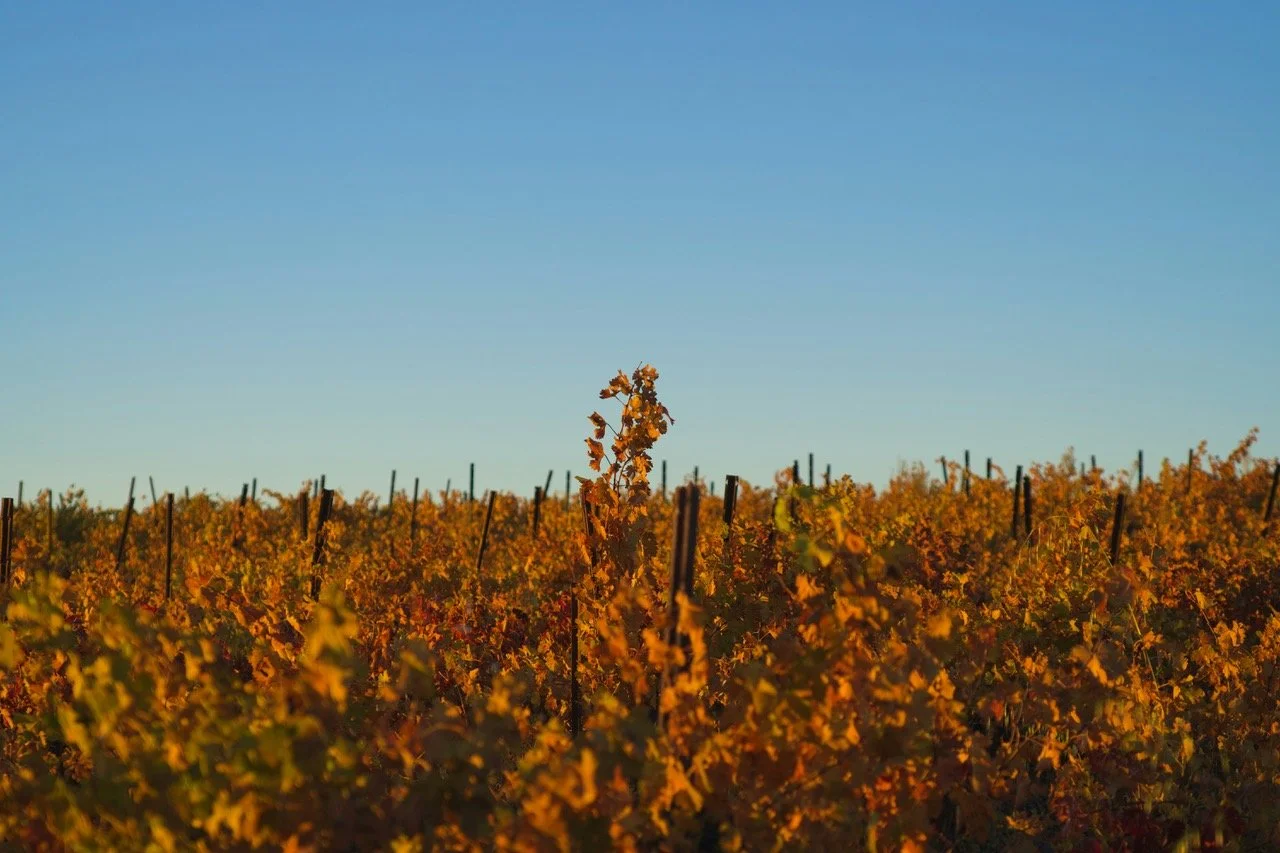
While you certainly can continue to chug that rosé if you wish, and truth be told, other than the silly, bubblegum versions, rosé is really a very versatile food wine, a little variety might just spice up your wine life.
Two Whites A Bit Off The Beaten Path
Aligoté
Aligoté is Chardonnay’s forgotten cousin in Burgundy. The grape itself is an ancient native of this most-esteemed white-wine appellation. While it has had its 15 minutes recently, that admiration mostly oozes from somms and wine geeks rather than the general consuming public. The resulting wines are sort of stripped down versions of Chardonnays from there. Some body and oak treatment but there is an almost saline quality that courses throughout making it not nearly as rich as Puligny, Meursault, et al.
They mostly appear on shelves with the simple “Bourgogne Aligoté” label designation, making them much easier to decipher for those not well versed in Burgundy’s hundreds and hundreds of delimited placenames. Because they act so differently than oaked Chardonnays, they go very well with shellfish. (Chablis shares this virtue as well because of its typically unoaked upbringing.)
Expect to pay around $25, though you can find examples that are significantly more than that.
Savagnin
Remaining in France, and actually, just a bit to the east midway between Burgundy and Switzerland, we head to Jura, also an ancient wine-producing area much less well known than Burgundy. While there is a great deal of chardonnay here, it is savagnin that is the grape most identified with this small region and its best-known appellation, Arbois. Jura shares much the same climate and soil profile as Burgundy, though wines made with savagnin don’t resemble white Burgundies (though they do have some similarities to Aligoté).
Citrusy and floral in a less assertive way than, for example, New Zealand Sauvignon Blancs, Savagnins are great tablemates because they neither clash with, nor overwhelm, lightly sauced fin fish, poultry and even pork. If you can tie in a few aromatic components of the wine to the dish, you’ve made a great match. Expect to pay about what you would for an Aligoté. As always, there are some cult producers whose bottles are much more expensive. The good news is that because production in Jura isn’t prolific, you're not likely to find any clunkers.
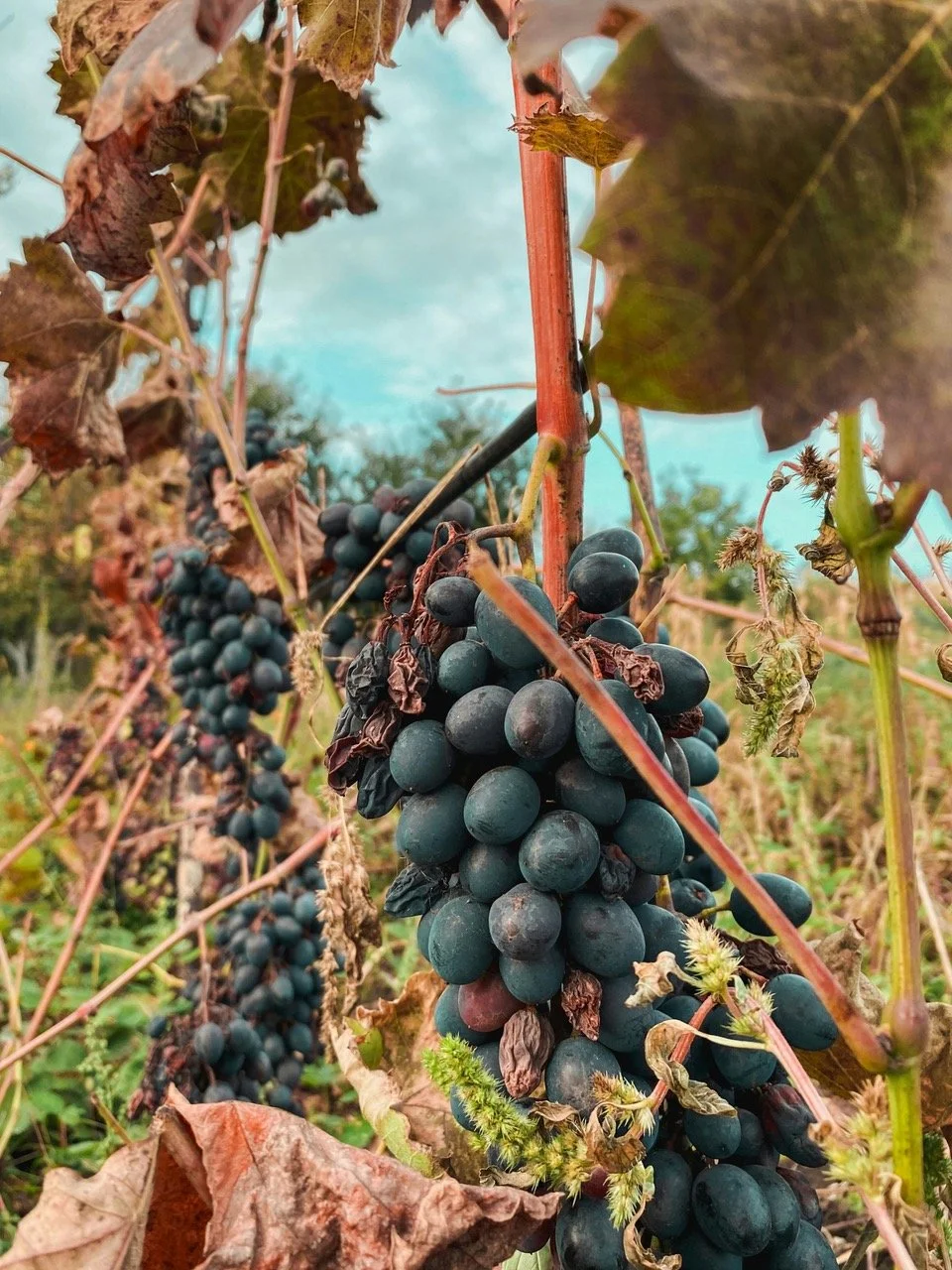
Two Reds For The Shoulder Season Before Winter
Aglianico
Aglianico (all-ee-ahn-ee-co) is one of the world’s greatest red grapes that most outside of Italy have never heard of. In wine form, it is referred to as the Barolo of the South. Like its more esteemed Piemontese cousin, nebbiolo, it too doesn't travel particularly well, preferring instead to reside in Campania and neighboring Basilicata. Its highest and best expression can be found in bottles labeled “Taurasi.” Those bottles are not inexpensive so instead, look for Aglianico del Vulture from Basilicata, which should set you back around $20 or so, though you can certainly spend more if you prefer.
Aglianco can age for decades. The wines possess fearsome acidity and like Nebbiolos, they lean red fruit centric. There is nice tannic grip and they are typically not excessively oaked. They have the ability to stand up to hearty fare without obscuring whatever is on the dish unlike many other big reds.
Carménère
While part of the original Bordeaux blend until it was wiped out by phylloxera in the 19th century, carménère has made a name for itself in Chile. And while it is considered a noble grape, it hasn’t really taken hold anywhere else. What I like about the wines it produces–more often than not, in stand-alone fashion–is that it has some of Merlot’s silkiness without that wine’s sometimes offputting herbal, leafy notes. The comparison is an apt one because it was mistakenly thought to actually be merlot until the 1990s.
Carménères can easily be found for around $15, though Purple Angel, the excellent version from famed producer Montes will set you back more than $100 (as an aside, the best New World Syrah I have ever tasted is the Montes Folly).
So, give one or all four of these fall alt wines a try, and by all means, please report back!